The today’s plan called for exploring the western side of the Cabot Trail. Unfortunately, it was not easy to reach, as you cannot drive directly west through the Cape Breton Highlands. Instead, we had to loop well south before cutting west.
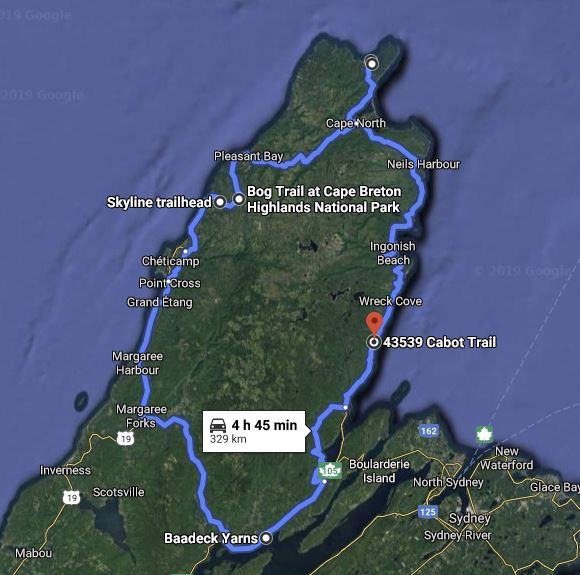
Along the way, we stopped in the town of Baddeck for lunch, provisions, and yarn. Teresa is an avid knitter, and enjoys visiting yarn stores as she travels. I am an avid punster, and I enjoy the confluence of knitting and puns. This shop in Baddeck was no exception: Baadeck Yarns. Nicely done.
Soon, we were off again. The Cabot Trail is a magnificent drive. We had enjoyed the eastern side the day before, and the western side did not disappoint.
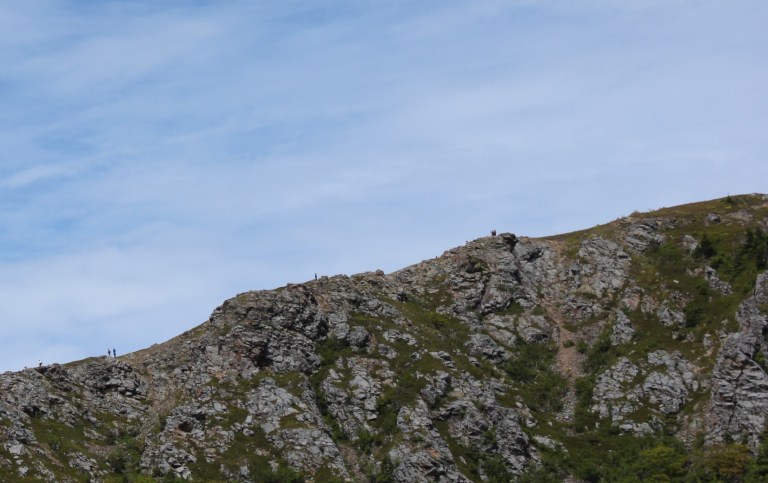
 Our first target was to hike the Skyline Trial, which winds along a high ridge to cliffs looking out over the Gulf of St. Lawrence. Some road work slowed us down, and as we were waiting we noticed people hiking the Skyline Trial.
Soon, we reached the trailhead. We parked, packed up some coats and snacks, and set off. Wildflowers popped up along the trail. I was very excited to see a Pink Lady’s Slipper.
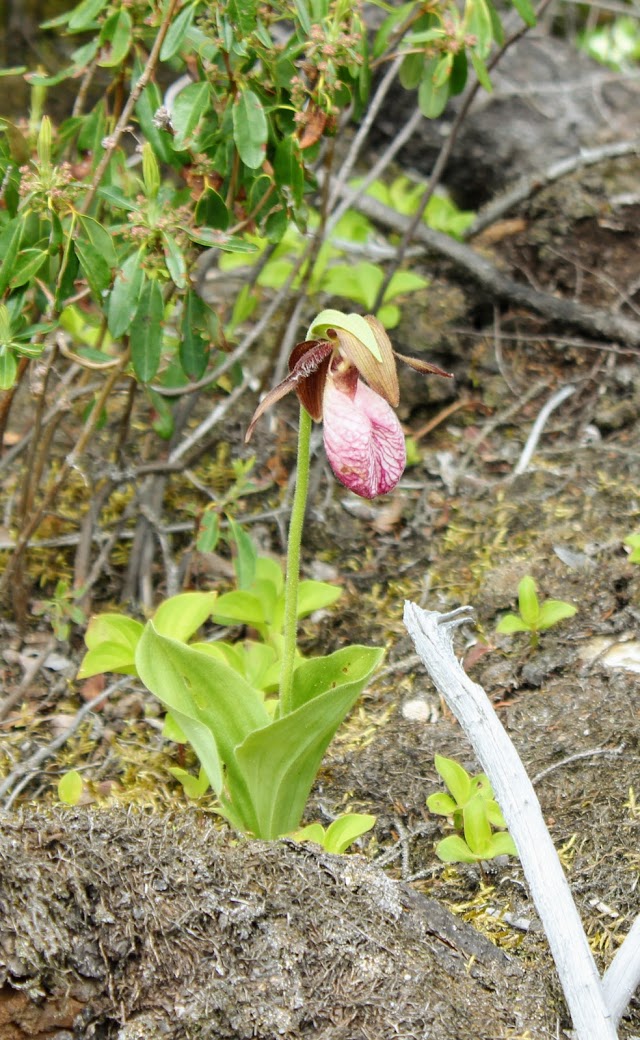
I had literally been looking for one of these flowers since I was a boy. They grow in mountainous regions from Georgia all the way to Nova Scotia (apparently), but are hard to spot. My father told me when I was a kid that he would give me $5 if I found one while we were hiking in North Carolina. They are a type of orchid, but grow in the ground rather than in trees like many orchids. Like all orchids, their seeds cannot germinate without the help of a symbiotic fungus. The bulbous “slipper” is critical to the plant’s survival. Drawn by the flower’s color and scent, Bees enter to flower and get trapped in the “slipper.” The bees find only two narrow exits to squeeze through, and the plant deposits pollen on the bees as they leave. It takes the plants years to reach sufficient size to flower. We actually saw a few on the hike.
The trail soon reached the ridge that we saw from the road, and the views were amazing.
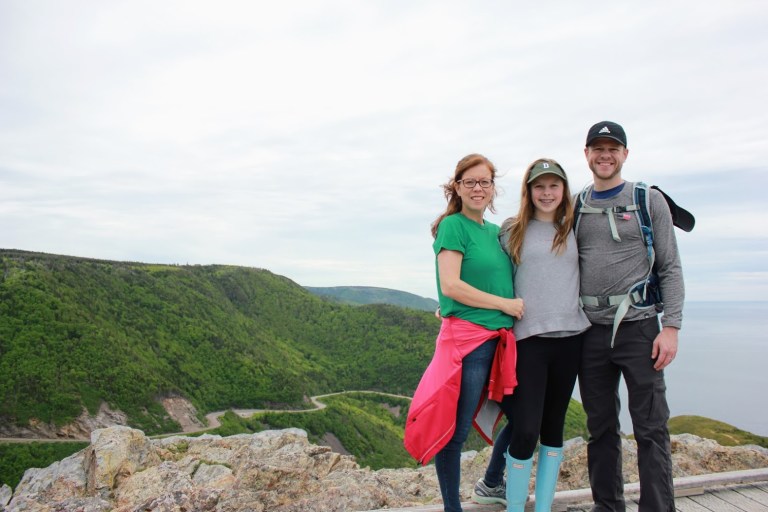
I think my backpack needs more straps. I should have insisted that everyone call me Strappy McStrappykins. The trail is very popular, and more than little dangerous. As a result, the park service has constructed boardwalks to keep hikers from wandering off cliffs while they admire the views of the sea.
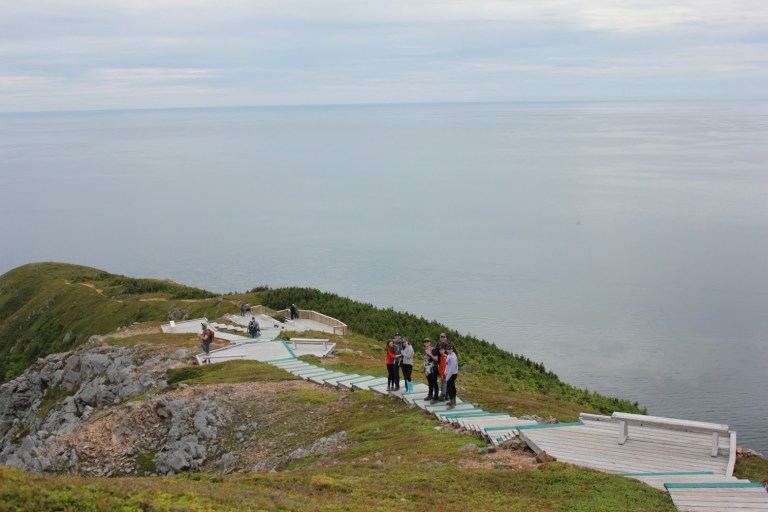
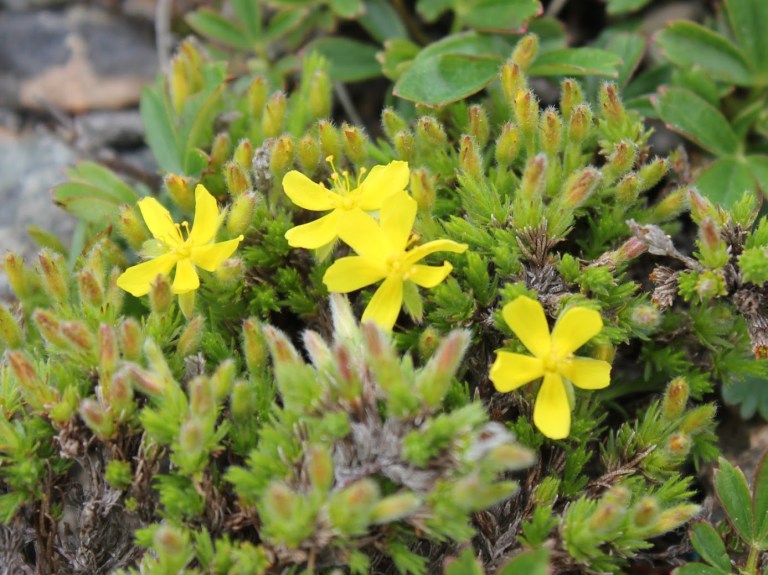
The ground was covered in plans that at hardy enough to survive the climate, but are easily damaged by foot traffic. Since it was spring in Nova Scotia, the Golden Heather was blooming.
Mr. McStrappykins may be a little heavy on the straps, but at least he was useful for carrying water.

Julie spent a few minutes looking for whales. Or maybe she was pretending she wasn’t with us.

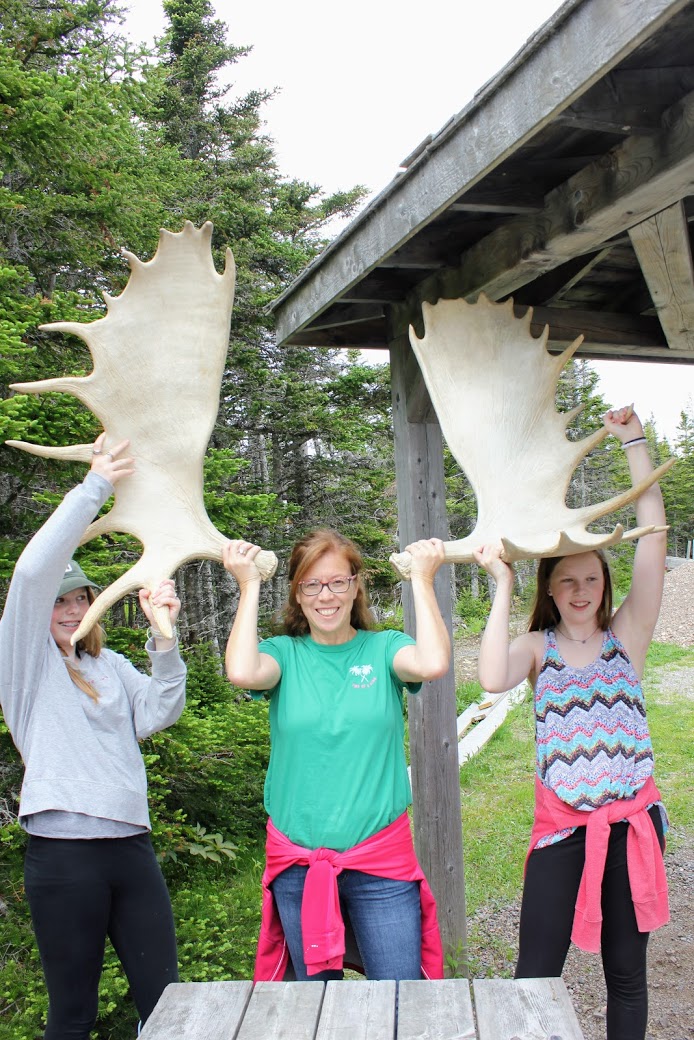
We enjoyed the views for a few minutes, but it was time to head back. The trail is more than 4.5 miles in total and the trip out took us more than an hour. All along the trail we had been looking for moose with no success. But on our way back we saw one! It was a magnificent female, but we couldn’t get very close as she had two younger moose with her.
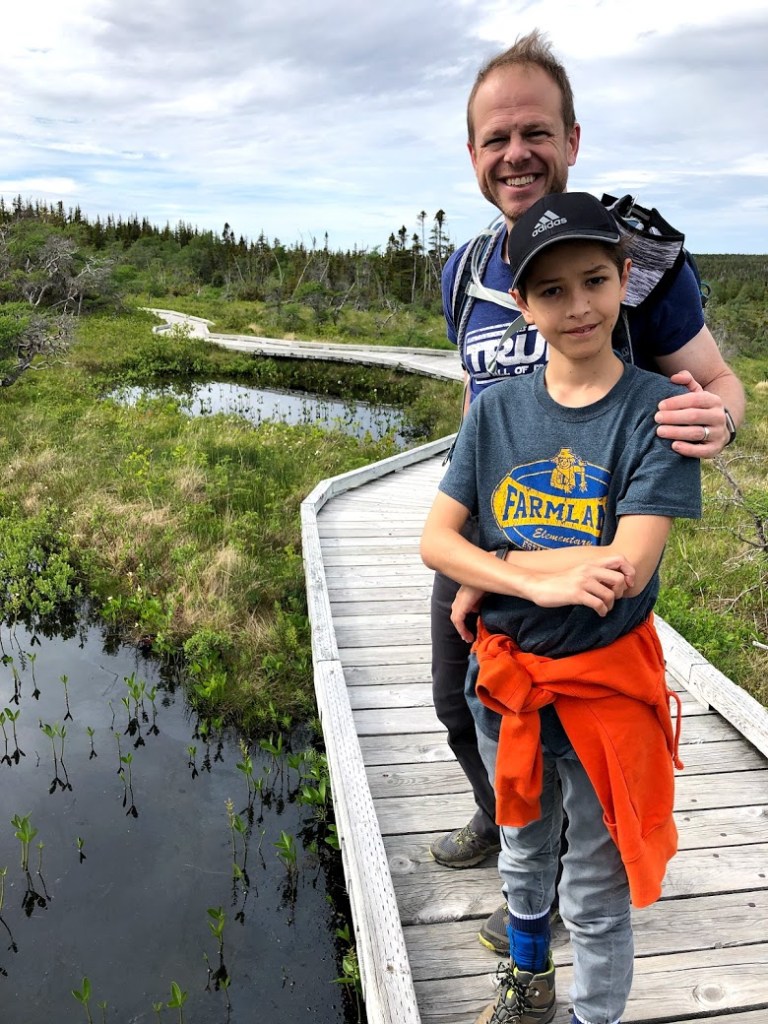
We piled back in the car and had some snacks while we drove to our next trail – the much shorter Bog Trail. The winters in Cape Breton can be brutal, and nutrients can be hard to come by in bogs. As a result, some plants have adapted to get some of their nutrients from a different source: insects. Having suffered through bugs the past few days, we were excited to find some plants that were on our side.
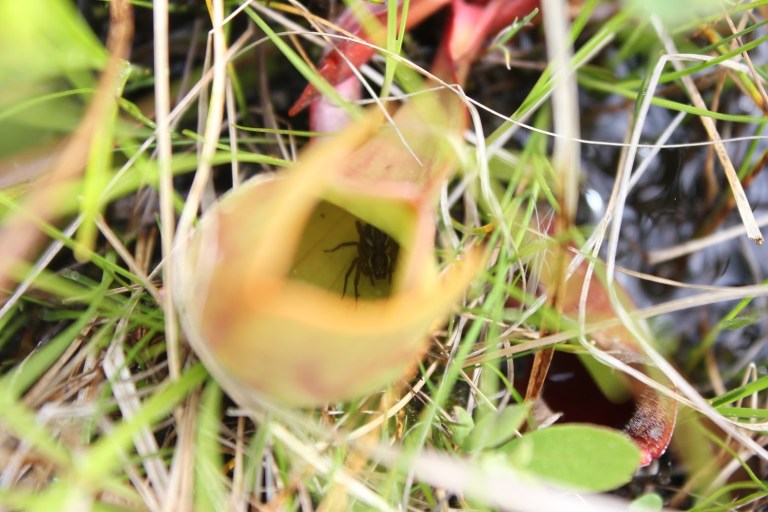
The first insectivorous plants we spotted along the trail were pitcher plants. The inner sides of these plants are slippery, so that insects fall down into the enzyme-rich water in the bottom of the pitchers. There, the plants digest the soft parts of the insects. The skeletons of the insects, however, simply collect in the bottom of the pitchers. Grim.
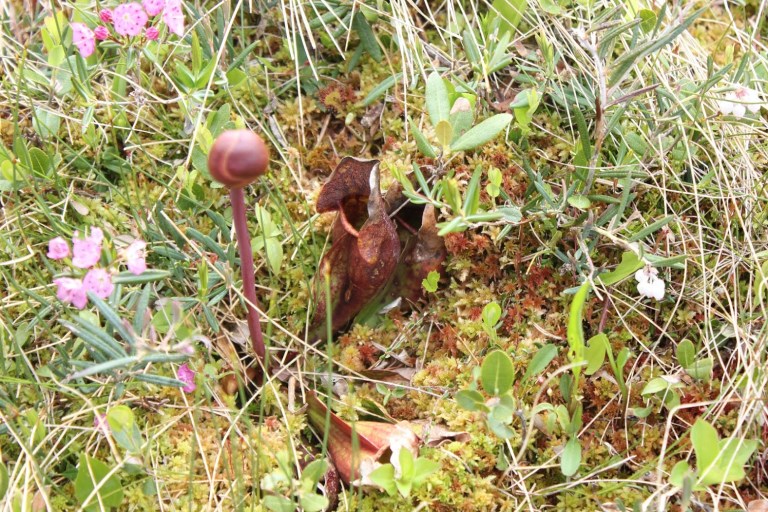
In one pitcher plant we saw a spider. It wasn’t clear whether the spider was trapped, or whether it was waiting to steal insects from the pitcher plant.
The bog contained at least two other types of carnivorous plants, sundews and bladderwort. We hunted for the plants initially without success.

We soon realized that the sundews were smaller than we had expected. Once we readjusted to the different scale, we easily found them nestled in among the other plants.
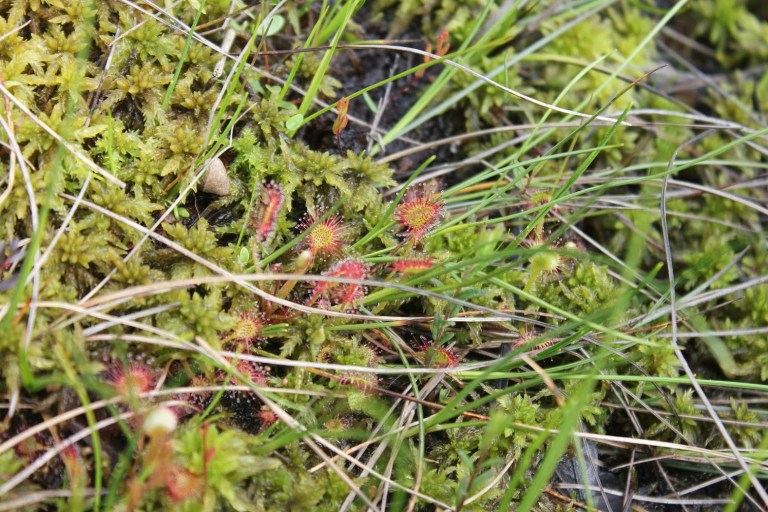
These plants capture bugs using sticky bits of “dew” on the ends of small stalks. When an insect touches the dew, it becomes stuck. The leaf then gently folds around the insect to digest it.
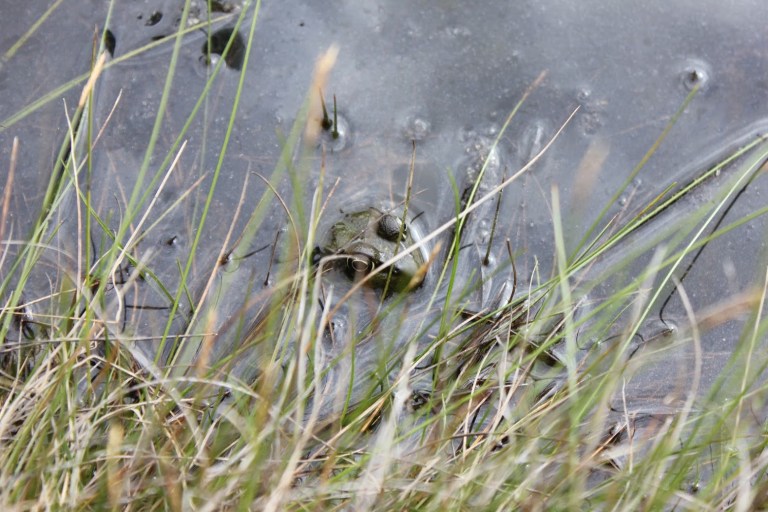
We soon heard a sound like someone plucking a taught rubber band. We searched for the sound for a few minutes and traced it to a frog hidden in the boggy water.
The last carnivorous plant on the bog trail bog trail was the bladderwort. This plant traps insects under water, though, so there wasn’t much to see from the boardwalk. Pound for pound the bog trail was one of the most interesting hikes we had done. Los Guilles both liked it alot.
In a way, I suppose we had helped the bog plants. We fed the insects, and the insects fed the plants. But being on the bottom of the food chain isn’t much fun. We hopped back in the van and pressed on.
For the remainder of the drive we decided to enjoy the scenery and to stop when we found something interesting. Our destination was Bay St. Lawrence, a small fishing village on the northern coast of Cape Breton. Our hope was to find an off-the-beaten-track seafood restaurant in this remote town. From the accounts in our guidebooks, it didn’t sound like many tourists make it so far north. Bay St. Lawrence is well off the Cabot Trail.
When we finally arrived we discovered that there was no cute lobster hut in Bay St. Lawrence. This is a working fishing village. We asked around the harbor about a place to get dinner. We learned that while there is a restaurant, it would not open for weeks. The best we could do was to pick up some burgers and fries from a small roadside takeout shack.
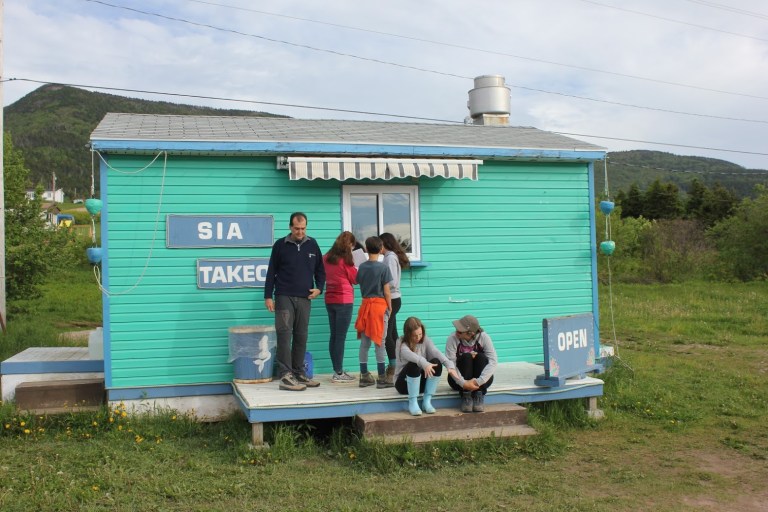
After we ordered, most of us waited in the van to avoid the bugs. They had returned with a vengeance, perhaps payback for our fraternizing with the bog plants. But waiting for our food also gave us a chance to talk with some of the local fisherman. I asked one just how rough the winters can be. He told me that in the middle of winter, the snow would be higher than the takeout shack. I asked him what everyone did during the winter. For instance, did they work on fixing nets and other gear? He told me that there weren’t many breaks, as they fished through the winter, spending about 10 months out of the year fishing. Every now and then I wonder whether I could live and work like a local in the places we visit. The answer for Cape Breton was clear. Nope. (But the fisherman was impressed that we had driven all the way from Maryland.)
We ate our dinner in the car as we drove back to Blue Gables. One of the joys of our trip in Canada is that our kids did not have cell phone access. As we drove home in the dark, the conversation turned to stories from when the adults were children. Teresa told a particularly delightful tale of a pet mouse from when she was a girl. The mouse was docile, gentle, and sweet. At the time, the mouse was also dead. I don’t think enough kids today play with dead rodents. (In all seriousness, Teresa is a scientist who regularly works with mice in the lab. Maybe that rodent partnership started when she was a girl?)
Looking back, that drive strikes me as a little ironic and a little poignant. We were telling our kids of our childhood memories. Hopefully, on our trip the kids were living some of the times that would become their own tales.
-Will
 The Hubbards' Travel Blog