After lunch, we decided to explore the Cape Breton Highland National Park. A central feature of the park is the Cabot Trail, a scenic highway that circumnavigates the park. Our plan was to explore the eastern side of the park.
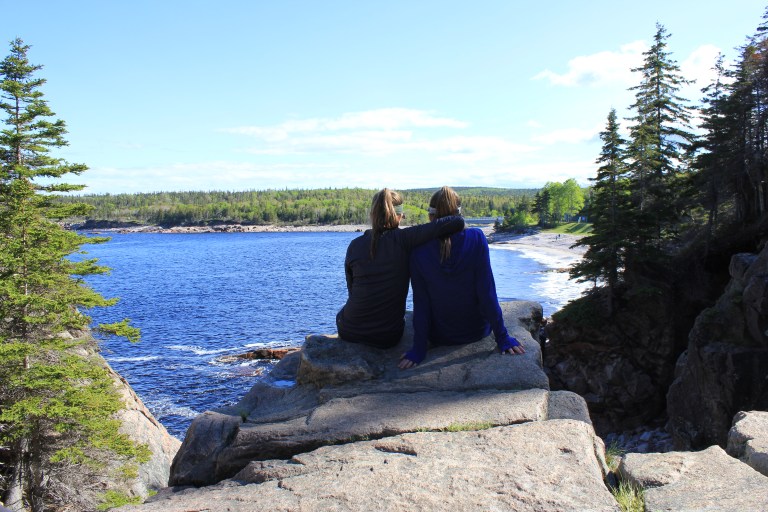
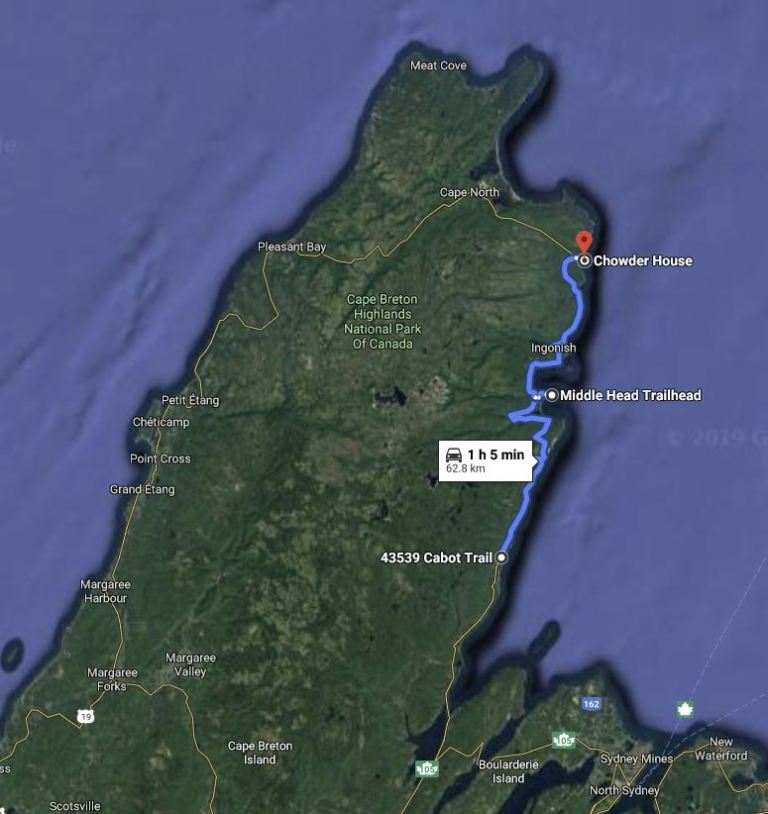 Our first activity was to hike the Middle Head Trail which extends down the length of a narrow peninsula out into ocean. The weather was perfect, and the views from the cliffs were magnificent.
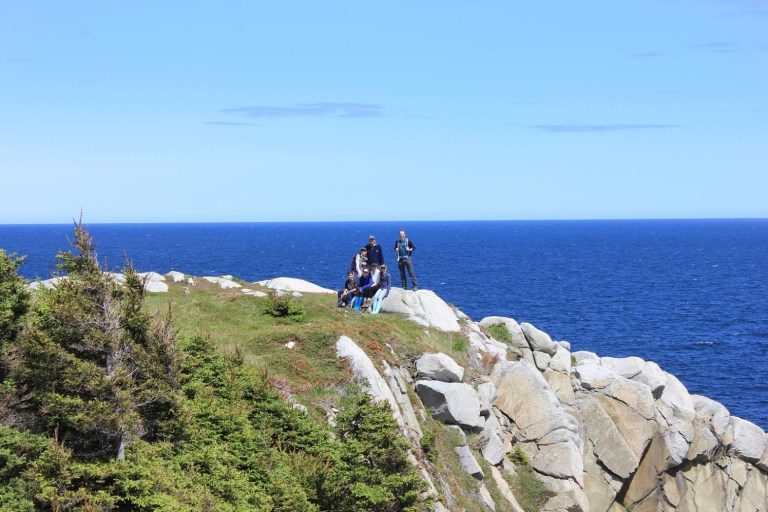
We all enjoyed the views, and the kids mostly did a good job of staying away from the edges of cliffs.
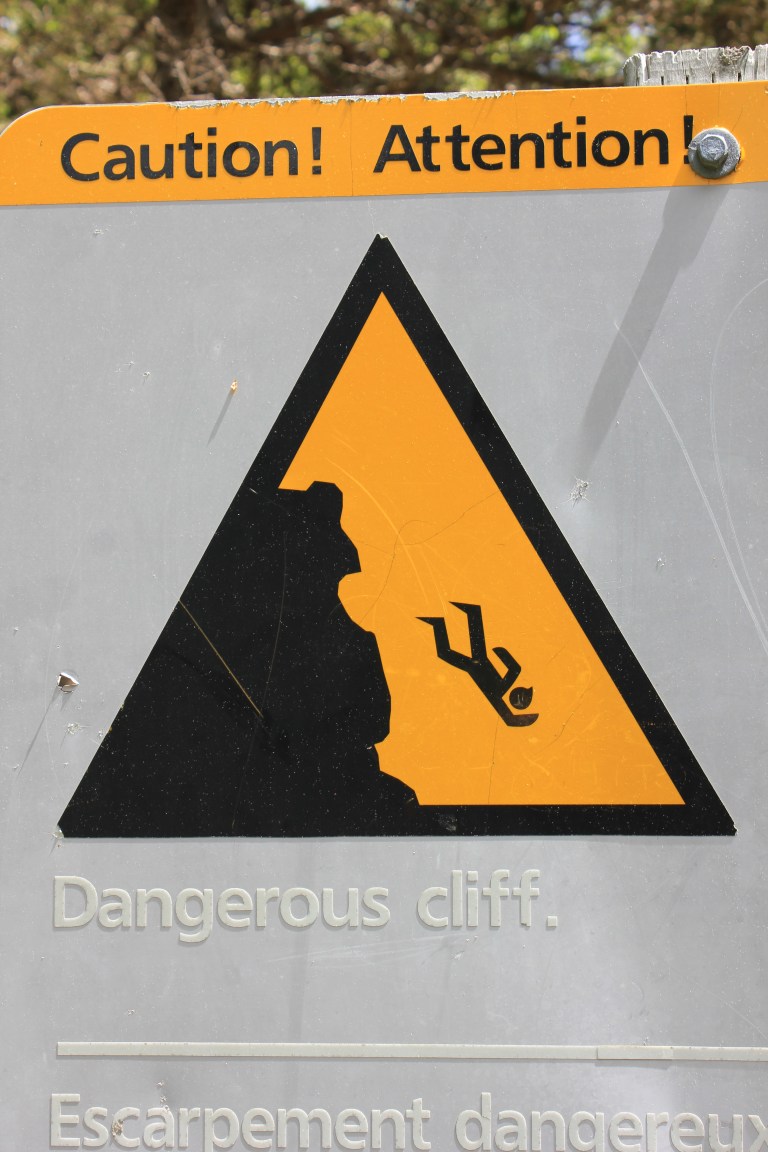
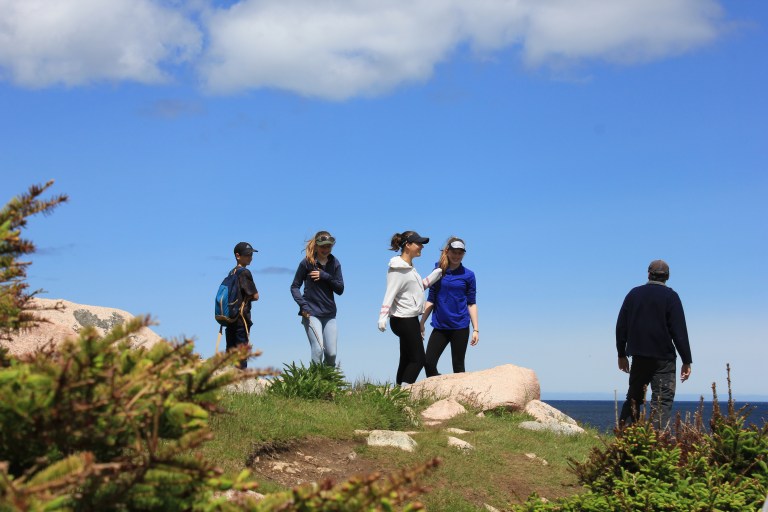 Teresa is not a big fan of heights, but she doesn’t let her concerns hold her or anyone back. And she may have had some reason to worry based on the signs we saw.
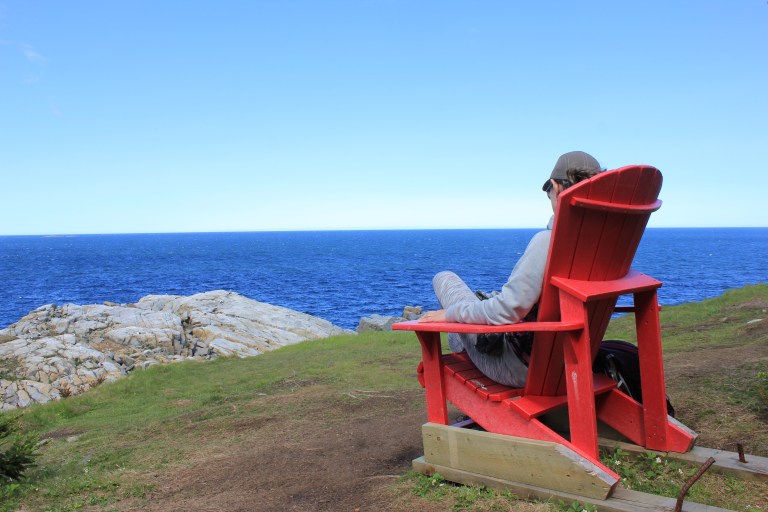
One of the signature features of the park is that some trails have red adirondack chairs near scenic overlooks. Teresa took a few minutes to relax and perhaps pretend that the children were not scampering near dangerous cliffs.
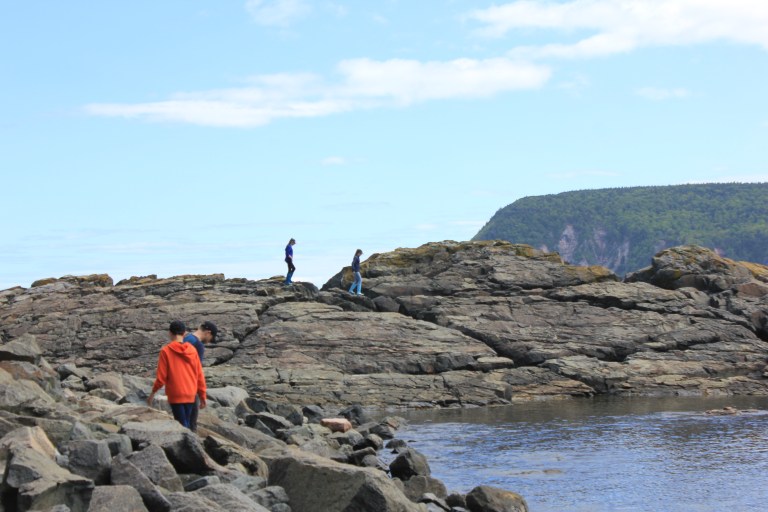
Along the way back, we decided to check out a side path than led to a small rocky beach.

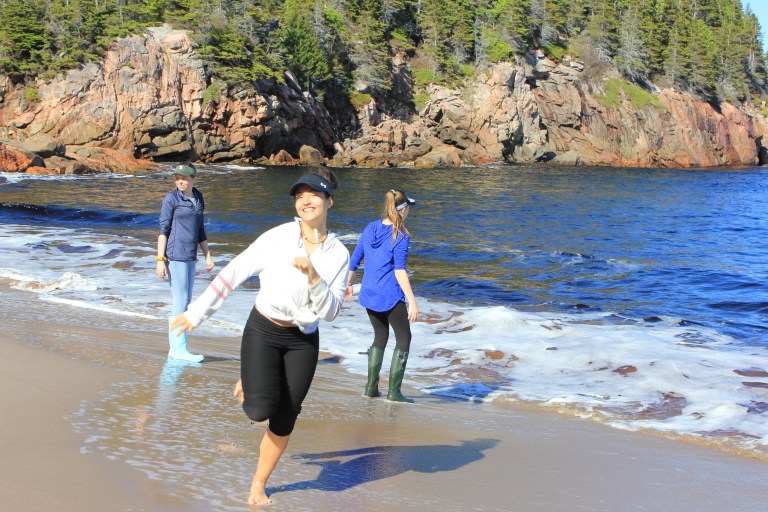
The small cove provided still more opportunities for the kids to fall, but at least they wouldn’t fall as far. The bluff behind the kids in the picture below is called Cape Smokey, as it is usually enshrouded in clouds. But the weather for us was perfect. Clear skies and bright sunshine.
We had a good time exploring the small cove, looking through the seaweed to try to spot any lobsters. But I think that the lobsters learned long ago that it’s safer to stay in deeper waters.
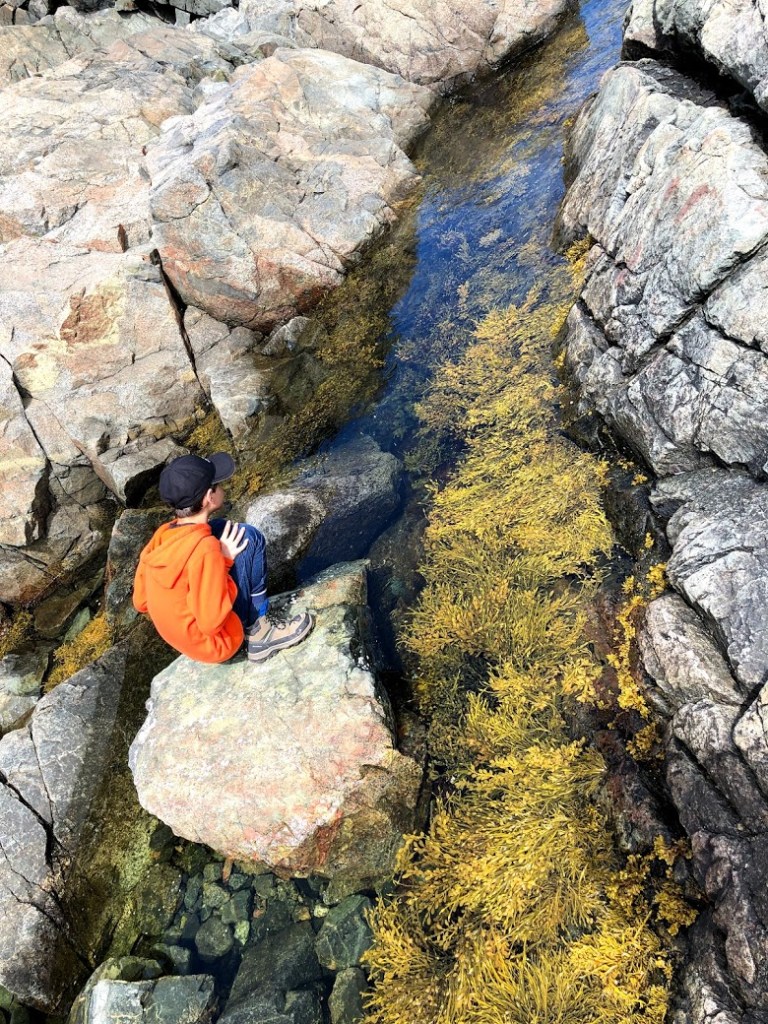
Even with no critters, the kids had fun cavorting on the rocks. It was also interesting to see the seaweed that had been out of the water in Fundy Bay buoyantly waving.
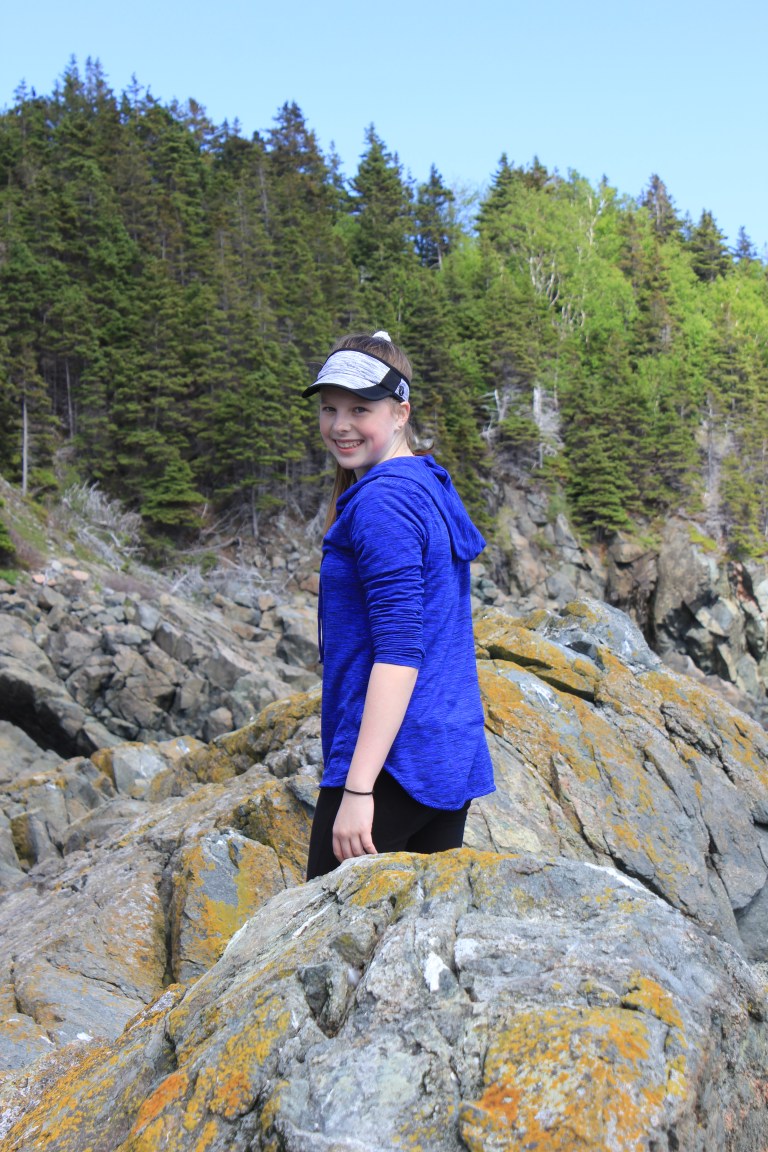
There was more to do, so we soon headed back to the cars. Our next stop was a sandy beach where there was a waterfall that spilled directly into the ocean.
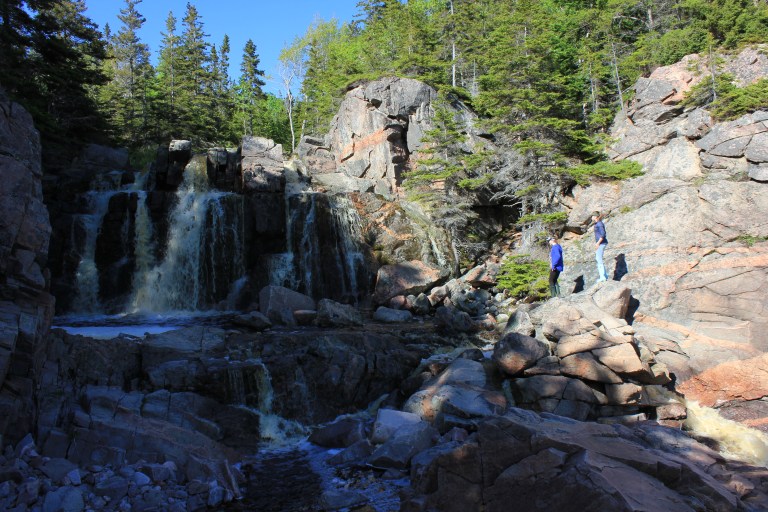
Passing through the forests, the stream picks up tannins, so that the water that spills into the ocean looks reddish-brown, like tea. Or maybe whisky, depending on your preference. Unsurprisingly, Lydie and Cassie wanted to climb the waterfall. I don’t know where they get it from.

And once they were on top of the waterfall, they insisted on going right to the very edge. Being the responsible father that I am, I told them I would take the picture.
We soon headed back down to the beach, because there were large rocks there that needed to be climbed and small rocks that needed to be chucked.
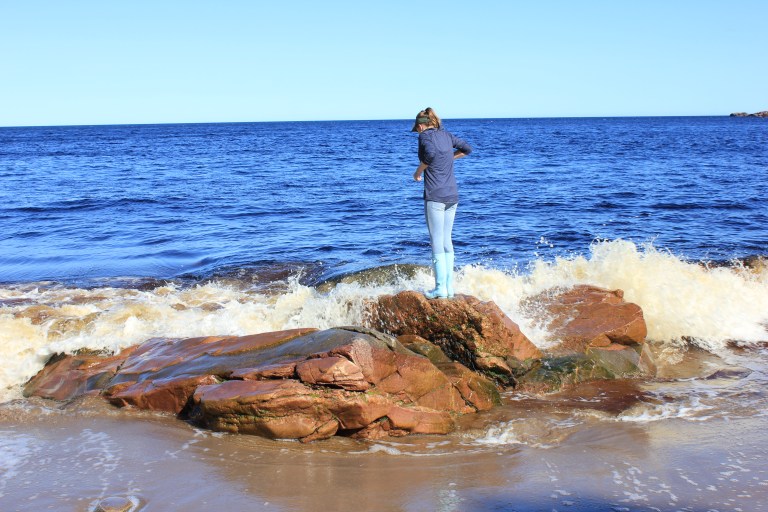 Team hubbard travels with rainboots. It’s become part of our standard equipment for vacations. Unfortunately, Catalina didn’t have rain boots, so she adopted a different, colder, but still fun strategy.
By this time, we were all starting to get hungry, so it was time to start thinking about dinner. We continued north on the Cabot Trail to the tiny village of Neil’s Harbor, where we found a small, rustic restaurant with spectacular ocean views.
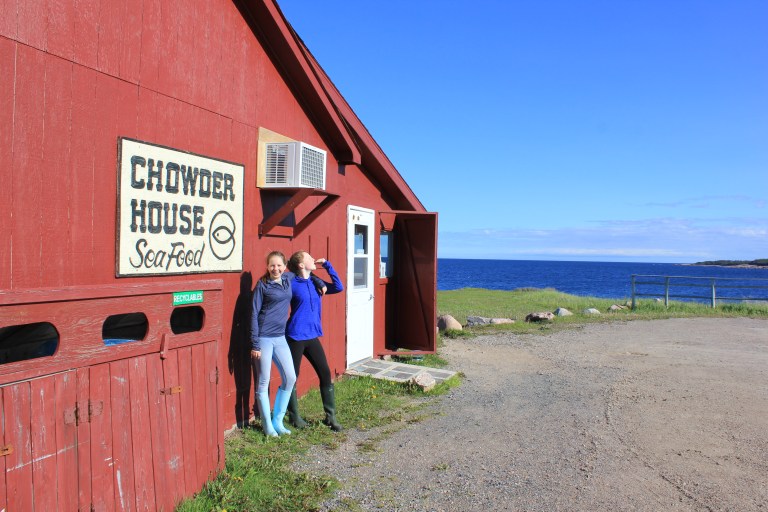
The restaurant was next to the little lighthouse that illuminated Neil’s Harbor. I’d seen plenty of seafood restaurants with little lighthouses next to them, but they were usually cheesy decorations. Not so in Cape Breton, where lighthouses are what keep boats from crashing.
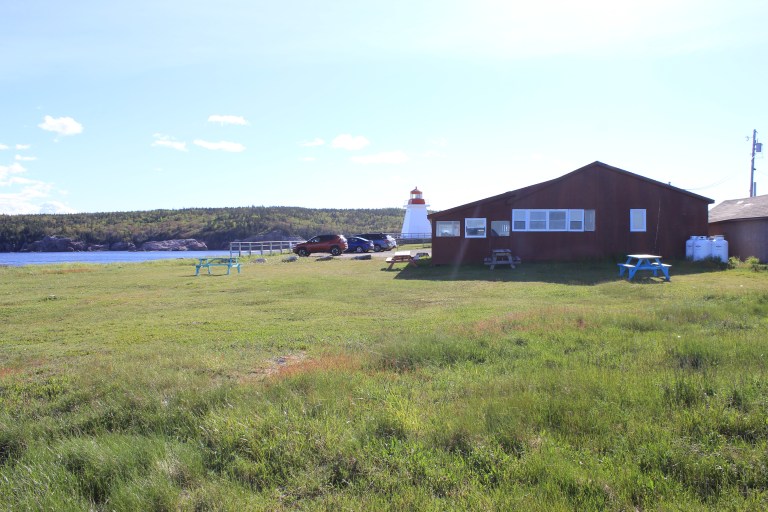
We’d been talking about getting lobster since leaving Boston, and this place was perfect. We ordered our dinners from the young woman behind the counter. I asked her where they got the lobsters, and she pointed out the window to Neil’s Harbor, indicating that we would be eating our lobsters within sight of their still-surviving relatives. I also asked her if she worked with particular lobsterman, and she replied, “Yes. My dad.”
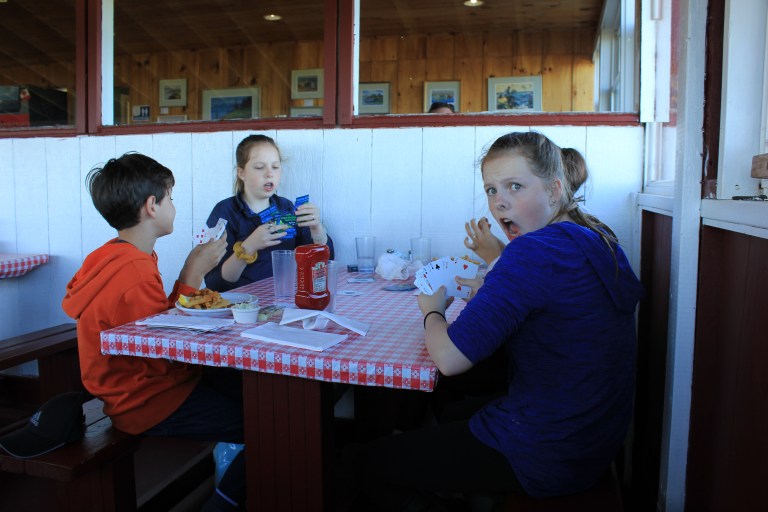
That was certainly good enough for us. We sat down to wait for our food, and the kids played cards. Cassie was not pleased that I took a picture of her hand.
In lieu of cards, the adults sampled other aspects of the local culinary culture. For science.

We also ordered some muscles to get us started. The kids swooped in and ate most of them. But we were glad they were enjoying the local cuisine. Muscle would become one of the go-to foods for the whole crew over the next week.
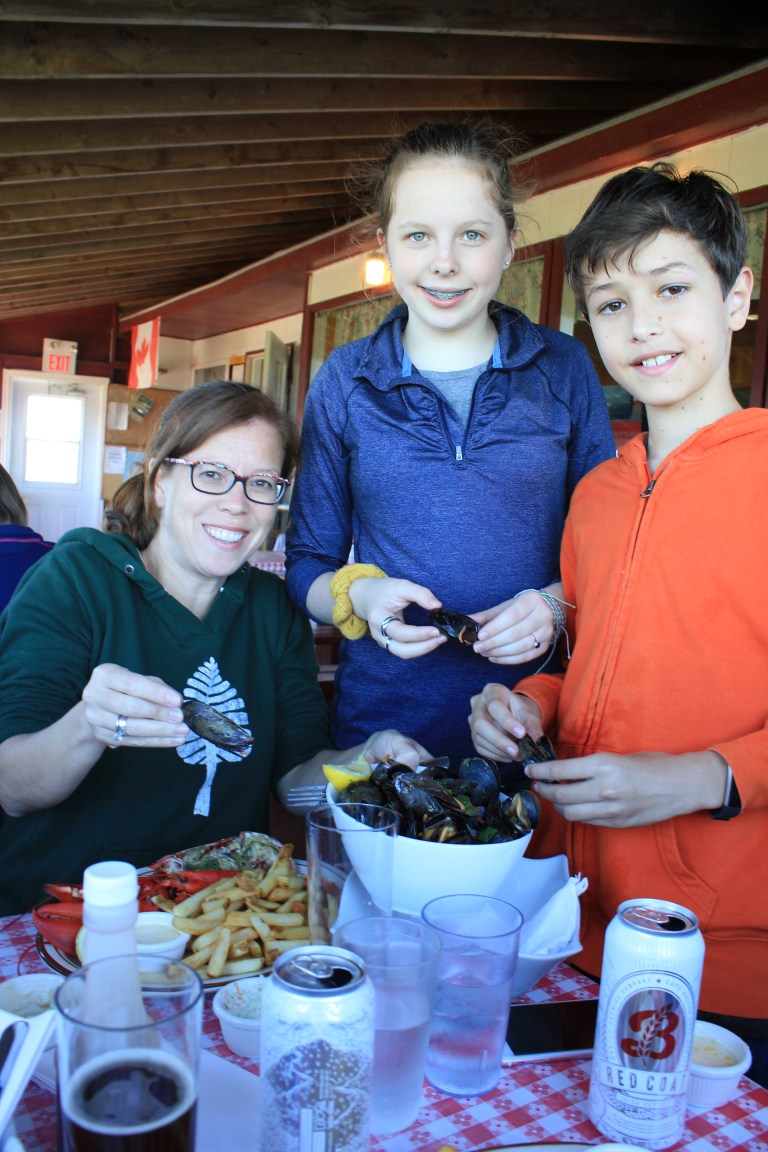
Unsurprisingly, the lobster was delicious. It was certainly fresh.
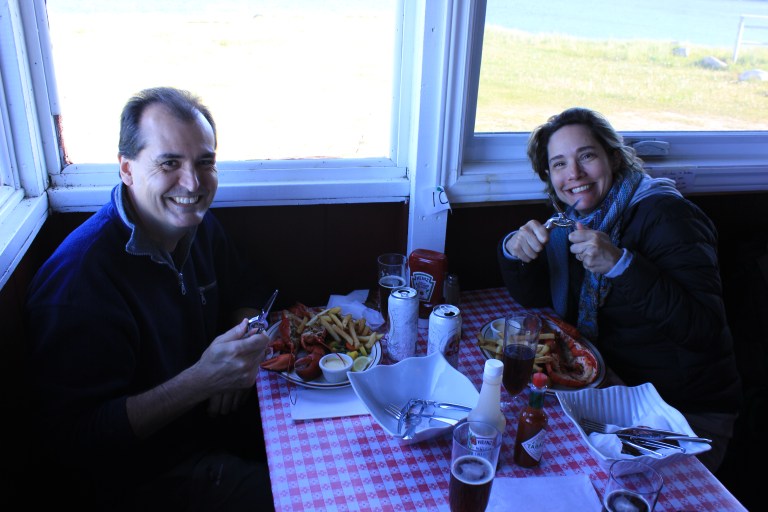
Teresa, Diego, and Julie compared Spanish lobster eating techniques with those of Boston. One notable difference was that the Spanish eat the “tomalley” of the lobster, which is a soft, green mass that acts as the lobster’s liver and pancreas. Julie was taught not to eat it. Diego said that it was safe but that some people don’t like it. I decided to pass on the tomalley. (It turns out that both camps are right. The tomalley is definitely edible and considered a delicacy by many. However, the tomalley sometimes contain toxins that can cause paralytic shellfish poisoning, which can in rare cases be fatal. The toxins come from infected shellfish. Diego was just fine, perhaps because the water around Cape Breton is so clean.)
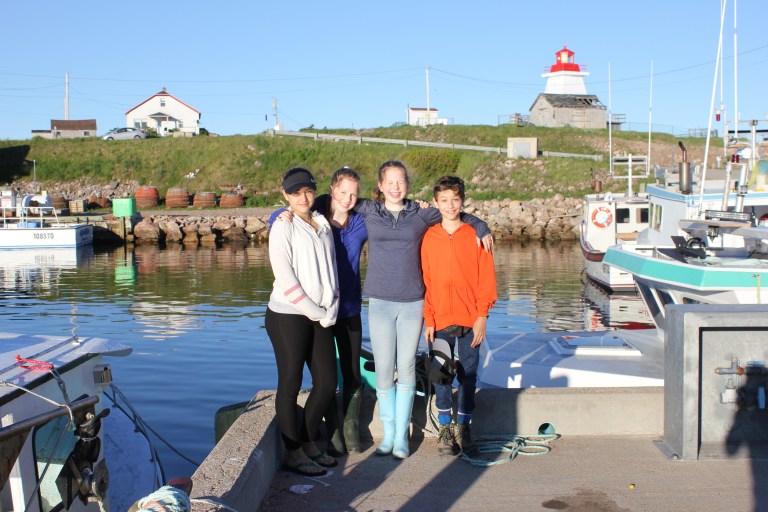
After dinner, we walked down to the harbor, tracing in reverse the path that our food had taken to our plates.
On our way home, we stopped at the Keltic Lodge, where we heard some live music. Soon the kids were falling asleep. We headed home in the dark to our little blue house, which we had started calling Blue Gables in an homage to “Anne of Green Gables.”
It was a dynamite day.
-Will
 The Hubbards' Travel Blog